












Diseases Common During Spring and Their Impact on Heart and Lungs

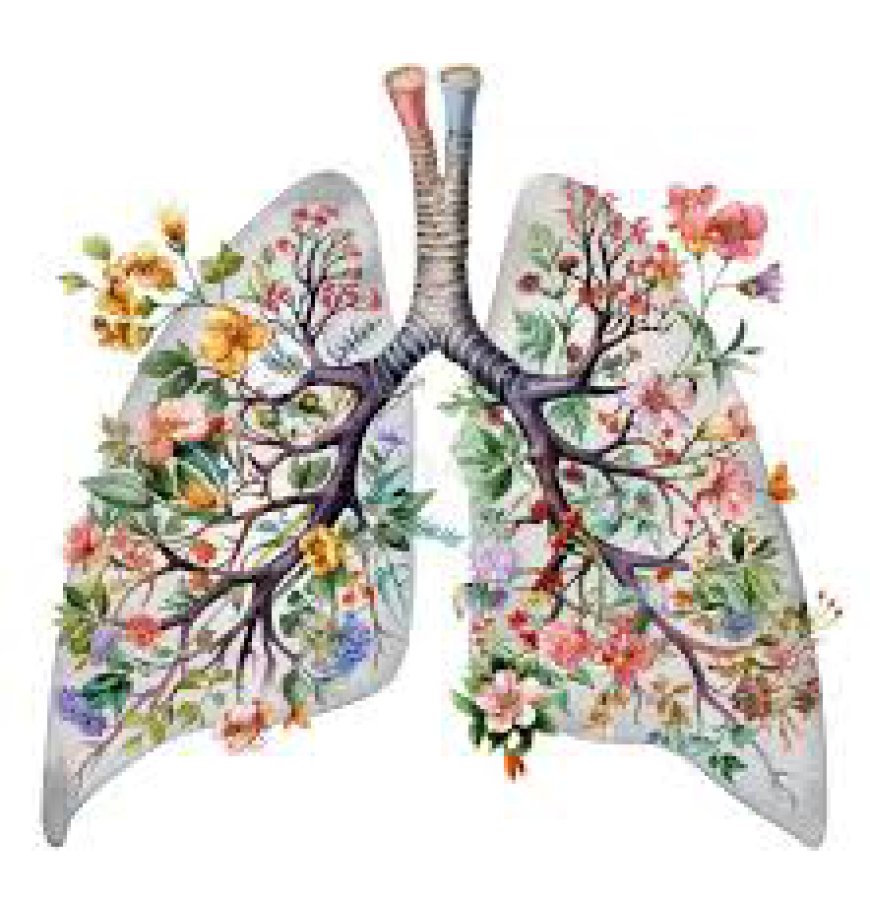
Spring is often associated with pleasant weather and blooming flowers. However, it is also a time when certain health conditions become more common, particularly those affecting the respiratory system.
During spring, pollen levels in the air increase significantly. Many people develop allergic reactions, commonly known as seasonal allergies or hay fever. Symptoms include sneezing, runny nose, coughing, itchy eyes, and breathing discomfort.
For people with asthma, pollen and dust can trigger asthma attacks, causing tightening of the airways and difficulty breathing. When airflow to the lungs becomes restricted, oxygen levels in the body can drop.
Springtime temperature fluctuations can also increase the spread of viral infections, including colds and influenza. These infections can sometimes lead to complications such as bronchitis or pneumonia, where the lungs become inflamed or filled with fluid.
In older adults or individuals with existing heart disease, respiratory infections can place extra stress on the heart. When oxygen levels drop due to lung infections, the heart must work harder to supply oxygen to the body.
This extra workload can worsen conditions such as heart failure or coronary artery disease. In some cases, severe infections can lead to complications like sepsis or respiratory failure, which can be life-threatening.
People with chronic lung diseases like COPD are especially vulnerable during seasonal changes.
Preventive measures such as vaccination, wearing masks during high pollen days, maintaining good hygiene, and managing allergies early can help reduce these risks and protect both the lungs and heart.
What's Your Reaction?
 Like
0
Like
0
 Dislike
0
Dislike
0
 Love
0
Love
0
 Funny
0
Funny
0
 Angry
0
Angry
0
 Sad
0
Sad
0
 Wow
0
Wow
0