










Effects of Bomb Explosions on the Human Body


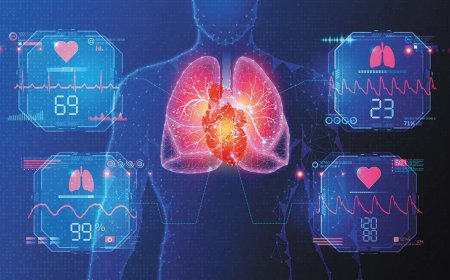
Bomb explosions produce an intense and sudden blast wave, which is a powerful pressure wave moving through the air. This wave can cause severe injuries to the human body, particularly to organs filled with air such as the lungs.
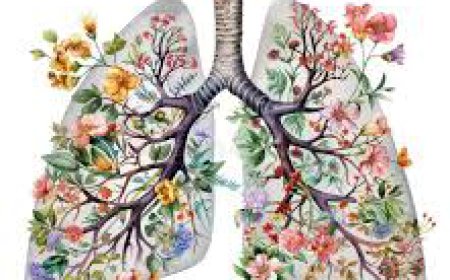
The lungs are extremely sensitive to pressure changes. During a blast, the pressure wave can damage delicate lung tissues and blood vessels. This condition is known as blast lung injury. It can cause bleeding inside the lungs, swelling, and difficulty in breathing.
Victims may experience shortness of breath, coughing up blood, chest pain, and low oxygen levels. Without immediate medical care, severe lung damage can lead to respiratory failure.
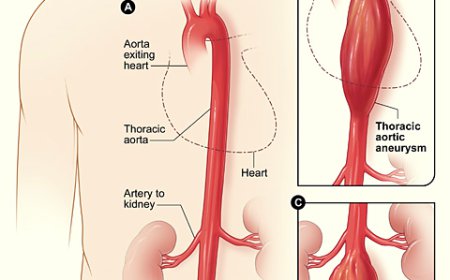
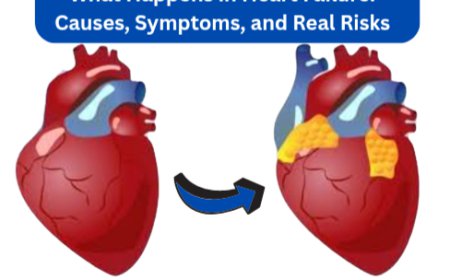
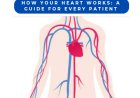
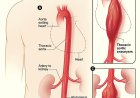
The heart can also be affected by the sudden force of the explosion. The blast can disturb the heart’s electrical rhythm, causing dangerous arrhythmias. Severe trauma may also cause internal bleeding or damage to major blood vessels.
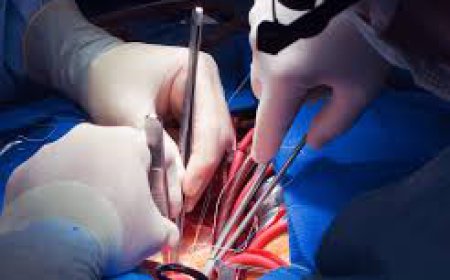
In addition to the pressure wave, explosions often produce flying debris and shrapnel, which can penetrate the chest and damage both the heart and lungs. Burns from the explosion can also harm the respiratory tract if hot gases are inhaled.
Another serious risk is shock, where the body cannot maintain adequate blood circulation. When the heart cannot pump enough blood to vital organs, organ failure may occur.
If injuries to the lungs, heart, or major blood vessels are severe and not treated quickly, the result can unfortunately be death due to respiratory failure, massive bleeding, or cardiac arrest.
Rapid emergency response and trauma care are essential to saving lives after such incidents.
What's Your Reaction?
 Like
0
Like
0
 Dislike
0
Dislike
0
 Love
0
Love
0
 Funny
0
Funny
0
 Angry
0
Angry
0
 Sad
0
Sad
0
 Wow
0
Wow
0